5 Best Homemade Salsa Recipes with Different Spice Levels
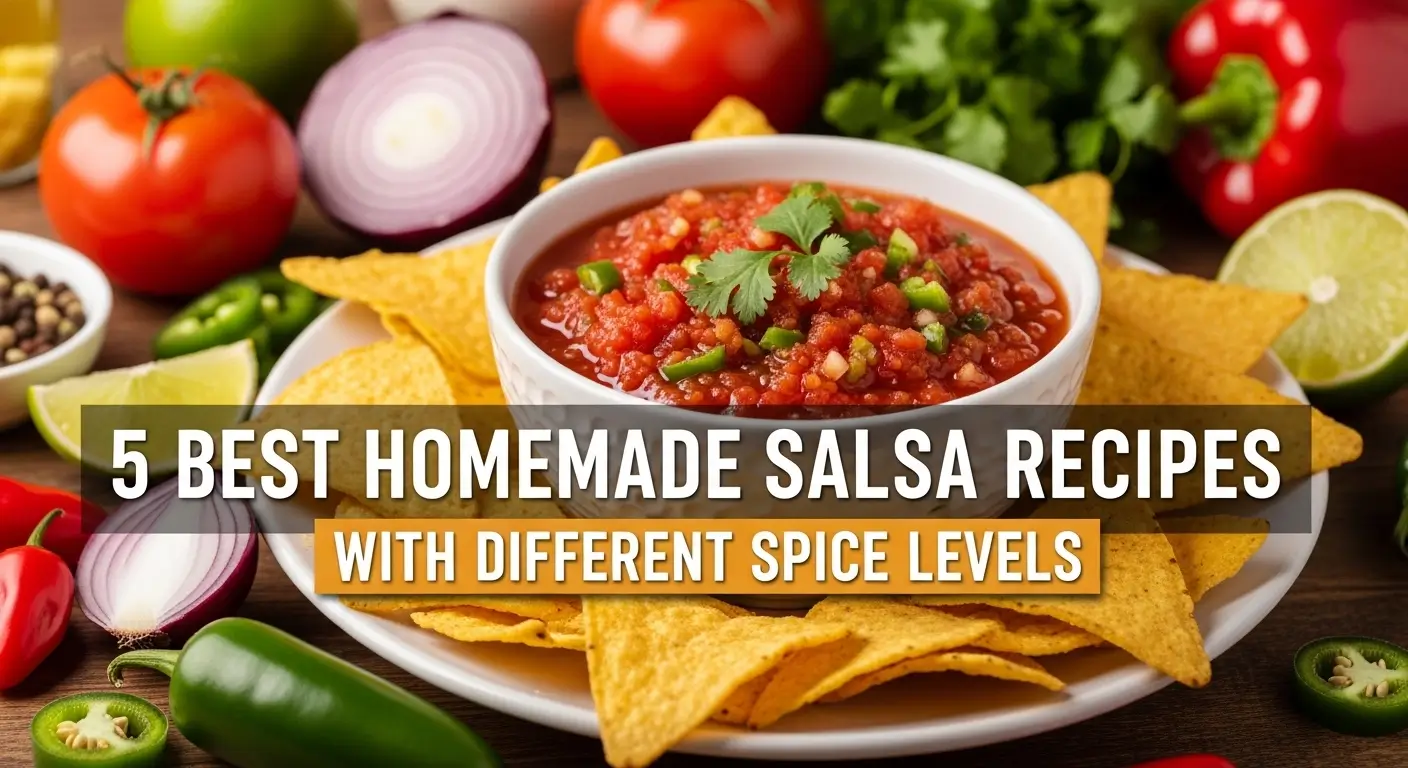
If you’re searching for the top 5 best salsa recipes, you’re in the right place. Salsa is one of the most versatile and flavorful additions to any meal. Whether you love a mild salsa recipe or crave something with serious heat, this guide covers everything from beginner-friendly options to bold, fiery flavors.
In this article, you’ll discover easy homemade salsa recipes, step-by-step preparation methods, and expert tips to help you create the best salsa at home. These recipes are perfect for tacos, nachos, grilled meats, or simply as a dip.
Why Homemade Salsa Is Better Than Store-Bought
Making homemade salsa allows you to control flavor, spice level, and freshness. Unlike packaged options, fresh salsa uses natural ingredients that enhance taste and nutrition.
Another advantage is customization. You can easily adjust spice levels, making it ideal for everyone—from those who prefer a mild salsa dip to those who enjoy extra spicy salsa recipes.
Homemade salsa is also quick to prepare. Most recipes take less than 15 minutes, making them perfect for everyday use.
Understanding Salsa: Types and Spice Levels
Salsa comes in many forms, ranging from smooth and mild to chunky and extremely spicy. The spice level usually depends on the type and quantity of peppers used.
Mild salsas often include tomatoes, onions, and herbs with little to no heat. Medium versions introduce jalapeños, while hot and extra spicy salsas use stronger peppers like serrano or habanero.
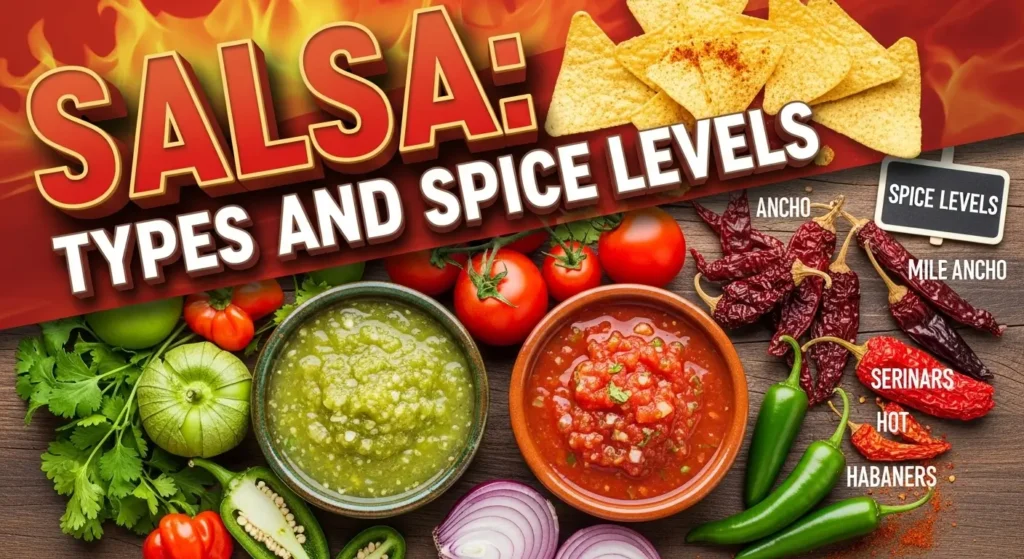
Understanding these variations helps you choose the right recipe based on your taste preferences.
Top 5 Best Salsa Recipes (Mild to Extra Spicy)
Here are the best salsa recipes at home, carefully selected to cover all spice levels.
1. Classic Mild Tomato Salsa (Beginner-Friendly)
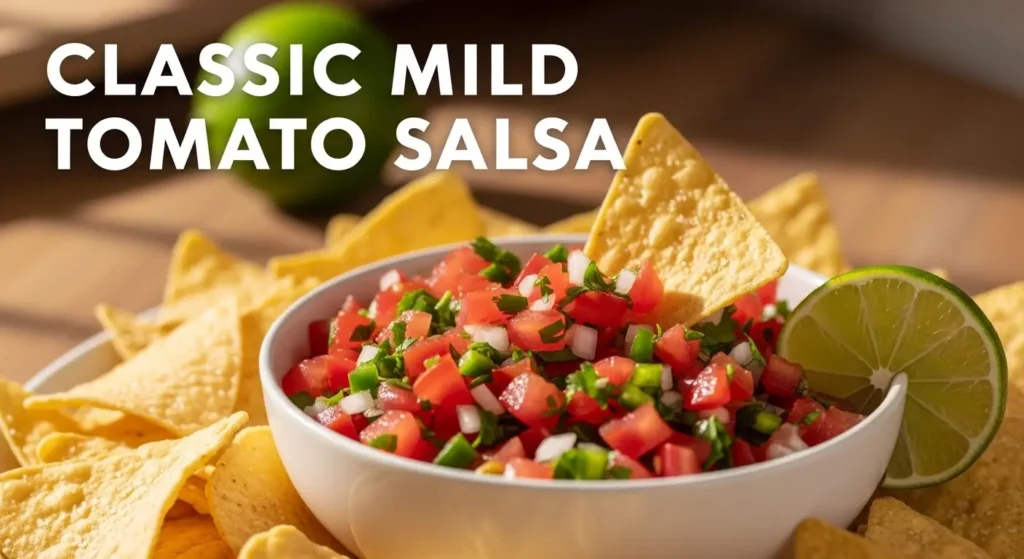
This is the perfect starting point for anyone looking for an easy mild salsa recipe. It’s fresh, simple, and packed with natural flavors.
Ingredients
How to Make It
Chop all ingredients and mix them in a bowl. Let the salsa sit for a few minutes so the flavors can blend together. This resting time enhances the taste and creates a balanced flavor.
Flavor Profile
This salsa is fresh, slightly tangy, and not spicy at all. It’s ideal for kids or anyone who prefers a no-spice salsa recipe.
2. Easy Restaurant-Style Salsa (Medium Flavor)
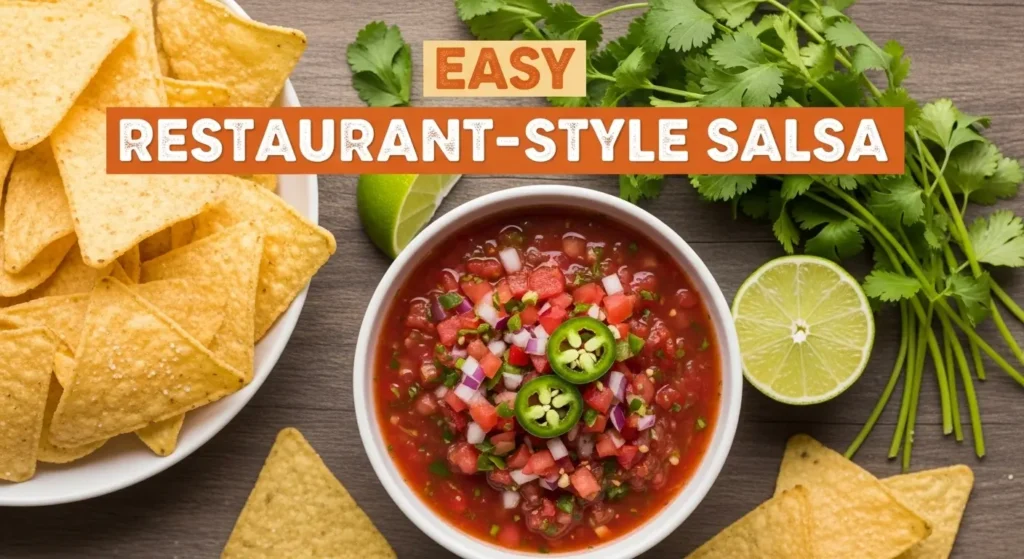
If you’ve ever wondered how to make restaurant-style salsa at home, this recipe is for you. It has a smooth texture and a balanced spice level.
Ingredients
Preparation Method
Blend all ingredients until smooth. Adjust the consistency by adding a small amount of water if needed. Chill before serving for the best flavor.
Why This Recipe Works
This salsa delivers the classic taste you find in restaurants. It’s slightly spicy but still mild enough for most people, making it one of the best easy salsa recipes.
3. Fresh Pico de Gallo (Chunky Salsa)
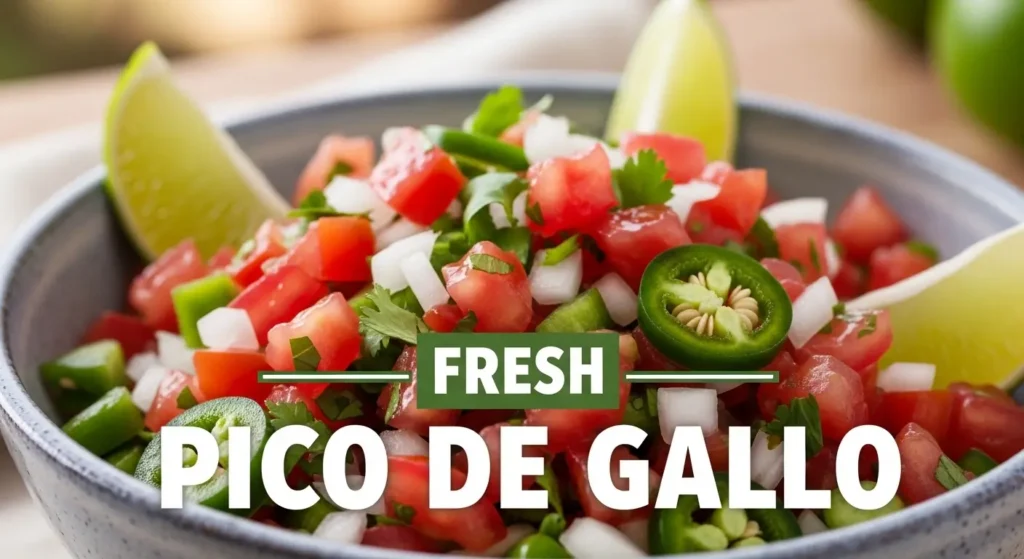
Pico de gallo is a traditional Mexican salsa that is fresh and chunky. It’s perfect for those who enjoy texture and natural flavors.
Ingredients
How It’s Made
Unlike blended salsas, pico de gallo is mixed by hand. This keeps the ingredients fresh and crisp.
Taste and Texture
This salsa is light, refreshing, and slightly spicy. It’s one of the most popular choices for healthy salsa recipes.
4. Spicy Roasted Salsa (Bold & Smoky)
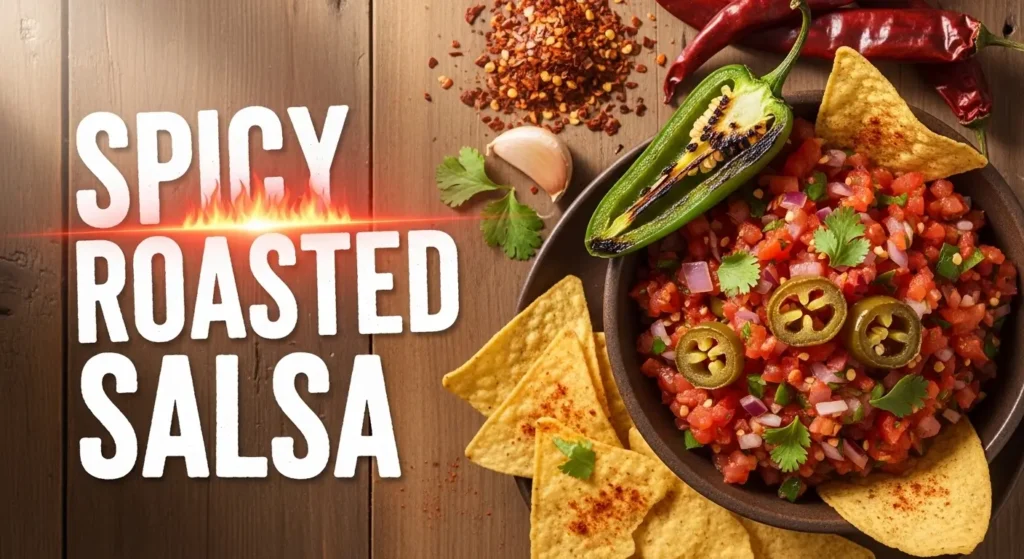
For those who enjoy deeper flavors, this spicy salsa recipe uses roasted ingredients to create a smoky taste.
Ingredients
Cooking Method
Roast all ingredients until slightly charred. Blend them together until smooth or slightly chunky, depending on your preference.
What Makes It Special
Roasting adds a rich, smoky flavor that makes this one of the best spicy salsa recipes. The heat level is medium to hot, depending on the peppers used.
5. Extra Spicy Habanero Salsa (For Heat Lovers)
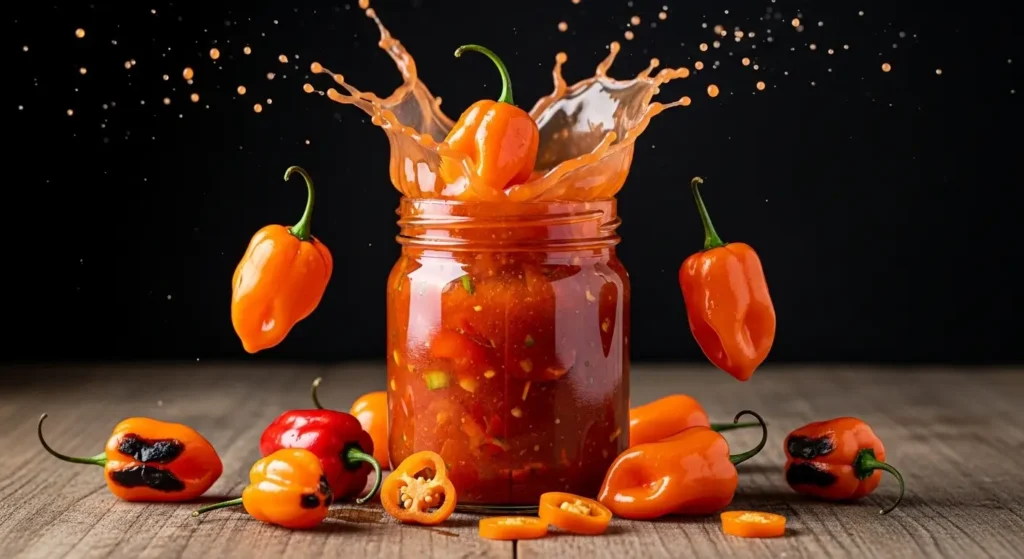
If you’re looking for an extra spicy salsa recipe, this one delivers intense heat and bold flavor.
Ingredients
Preparation
Blend all ingredients carefully. Start with a small amount of habanero and increase gradually to control the spice level.
Heat Level
This salsa is extremely spicy and not for beginners. However, it’s perfect for those who love hot homemade salsa with a strong kick.
Tips for Making the Best Salsa at Home
Creating the best homemade salsa comes down to a few important techniques.
Fresh ingredients always produce better flavor. Ripe tomatoes, fresh herbs, and high-quality peppers make a noticeable difference.
Balancing flavors is key. A good salsa should have the right mix of acidity, salt, and spice. Lime juice adds brightness, while salt enhances all the other flavors.
Letting the salsa rest before serving allows the ingredients to blend together. Even a few minutes can improve the overall taste.

How to Adjust Salsa Spice Levels
One of the benefits of making salsa at home is controlling the heat.
To make a mild salsa, remove seeds from peppers or skip them entirely. For medium heat, use jalapeños in moderation. For a hotter version, include serrano or habanero peppers.
Always taste as you go. It’s easier to add heat than to reduce it.
Best Ways to Serve Salsa
Salsa is incredibly versatile and can be served in many ways. It pairs perfectly with tacos, nachos, grilled chicken, and rice dishes.
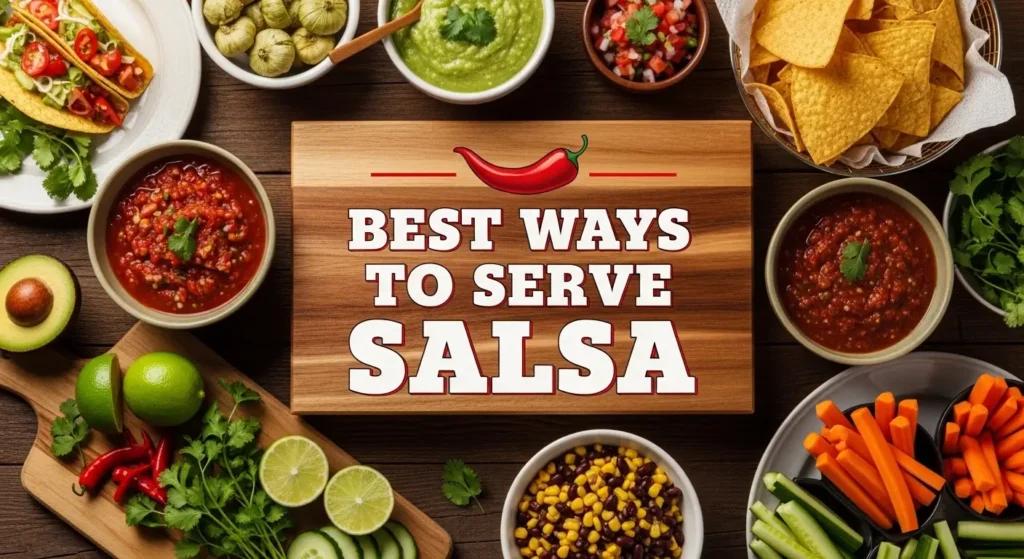
It can also be used as a marinade or topping for various meals. This makes it one of the most useful condiments in any kitchen.
Common Mistakes to Avoid
Using unripe tomatoes can result in bland salsa. Always choose ripe, flavorful ingredients.
Over-blending can ruin texture, especially for recipes like pico de gallo. It’s important to match the blending method to the type of salsa you’re making.
Adding too much spice at once is another common mistake. Always start small and adjust gradually.
Storing Homemade Salsa
Fresh salsa can be stored in the refrigerator for a few days. Keep it in an airtight container to maintain freshness.
Some salsas, especially blended ones, taste even better the next day as the flavors develop further.
Nutritional Benefits of Salsa
Salsa is a healthy addition to your meals. It is low in calories and rich in vitamins, especially when made with fresh vegetables.
Tomatoes provide antioxidants, while peppers add metabolism-boosting compounds. This makes salsa both delicious and nutritious.
Final Thoughts
These top 5 best salsa recipes (mild to extra spicy) give you everything you need to enjoy fresh, flavorful salsa at home. From a simple mild tomato salsa to a fiery habanero salsa, there’s something for everyone.
Whether you’re looking for an easy salsa recipe for beginners or a spicy homemade salsa, this guide helps you create perfect results every time.
Once you start making salsa at home, you’ll never want to go back to store-bought versions. Fresh, customizable, and full of flavor—homemade salsa truly takes your meals to the next level.